The quick answer
A logo is one recognisable mark. A brand identity is the wider visual system that helps your business look consistent across its different applications.
You may need a logo for a new business. But soon the same business also needs a shop board, packaging, visiting cards and social posts. If each piece looks unrelated, approving a good logo has solved only part of the problem.
Before you ask a designer for a quote, decide where the identity must work. This guide explains what a logo project usually covers, when a broader identity becomes useful, and which deliverables to discuss before work begins.
What Is the Difference Between a Logo and a Brand Identity?
A logo is a mark, a name treatment, or a combination of the two that identifies the business. Its immediate job is recognition. It needs to remain readable and usable in the applications agreed in the brief.
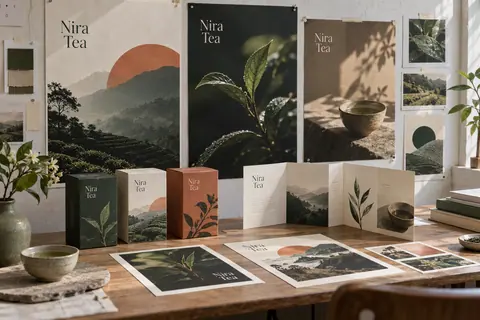
A visual brand identity includes the rules and supporting elements around that mark. Colours, type styles, layout choices and image direction help different pieces feel like they belong to the same business. Brand strategy and customer experience are wider subjects again; a logo alone does not define either.
| What you are deciding | Logo project | Visual identity project |
|---|---|---|
| Main focus | The business mark or name treatment | A consistent visual system around the business |
| Common deliverables | Agreed logo versions and files | Logo, colours, typography and agreed application rules |
| Useful when | You need a focused first mark or a defined refresh | Multiple touchpoints need to work together |
| Scope to confirm | Concepts, revisions, versions and file formats | Guidelines, templates and the number of applications |
When Can a Focused Logo Project Be Enough?
A small business can begin with a focused logo brief when its immediate applications are limited and clearly understood. For example, a local service may need a readable name treatment for a WhatsApp profile, invoice and visiting card before planning a larger launch.
Tell the designer about those uses at the beginning. A mark that looks attractive on a large presentation can be difficult to read as a small profile image. Ask to review the design at the sizes and in the formats your customers will actually encounter.
Starting small does not mean leaving the handover vague. Agree which versions and formats you receive, the permitted usage, and whether editable source files are included in the commissioned scope.
When Does Your Business Need a Wider Identity?
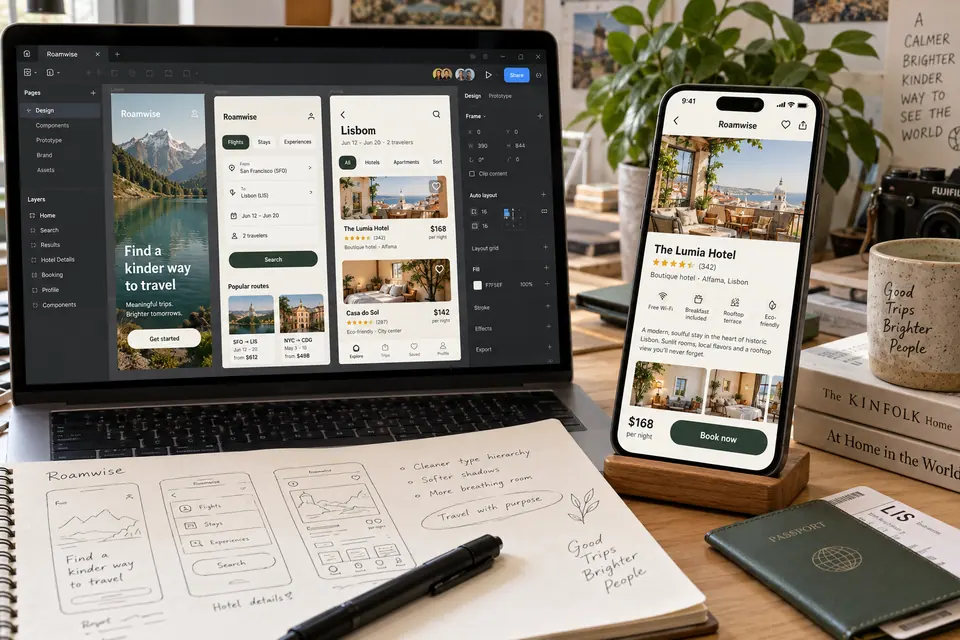
Consider a wider identity when several people or suppliers create materials for the same business. A printer, website developer and social media designer need enough shared guidance to avoid making different decisions about colours, fonts and layout every time.
For a Jaipur product business, the same name may appear on a label, a carton, a store sign and an online shop. List those touchpoints before selecting the package. A useful identity scope addresses the work you need rather than adding templates you will never use.
A wider brief may also suit an established business whose existing materials look inconsistent. First identify what should remain recognisable. A refresh does not automatically require abandoning the name, mark or colours that customers already know.
What Should You Confirm Before Design Starts?
If a font, photograph or other third-party asset is involved, clarify the licence and any separate cost. Do not assume every file shown in a presentation transfers unrestricted rights. Trademark checks, registration and legal advice also need their own agreed scope.
- The exact business name and tagline, including approved spelling.
- Your audience, product or service, and the applications needed at launch.
- The number of design directions and revision rounds included.
- Logo versions, vector or editable files, transparent images and colour formats.
- Whether typography guidance, usage rules or application templates are included.
- The review schedule, decision-maker and final approval process.
How Do You Compare Two Design Quotes?
Compare the included work before comparing the headline price. A logo-only quote and a complete identity quote cover different decisions, applications and production effort.
Ask each provider to describe what you receive, how feedback is handled and what additional work costs. For a broader identity, ask how the guidelines will help your actual team or suppliers use it. A long PDF is useful only when its guidance can be applied.
For a business changing its identity, add the cost of replacing signs, packaging and digital materials to the discussion. The artwork fee is one part of the change; rollout needs a plan too.
Start With the Places Your Brand Needs to Work
Write down your next three or four business touchpoints and bring that list to the first discussion. It makes the choice between a logo project and a wider identity much clearer.
Zaapart connects brand design with packaging, print, websites and technology. Share the applications you need, and we can discuss a scope that supports the next stage of your business.