
Branding
The Logo Design Process: From Brief to Final Files
Understand the logo design process, the decisions you approve and the files to confirm. Plan a practical handover for digital, print and signage use.
The quick answer
A useful logo design process moves through a business brief, design direction, refinement, application checks and final handover. Each stage needs a named decision-maker and an agreed output.
You have approved a logo on a large screen. Then the printer asks for a different file, the sign maker needs a simpler version and the social profile cuts off the name. These needs belong in the brief before final approval.
The process below explains what a business owner should supply, review and receive. Exact concepts, review rounds and timelines depend on the commissioned scope.
Define the Business and the First Applications
Share the approved name, audience, offer and practical uses. Explain what already exists and what must remain recognisable. For a refresh, provide the current logo files and examples of the problems you want to fix.
Choose one person to consolidate feedback and one person to approve the work. Set input dates for spelling, tagline and required languages; changing these later can affect the design.
Discuss a Direction Before Polishing Every Detail
References help explain a preference for a tone, structure or colour. Explain why a reference fits your business rather than asking for a copy. Discuss the design directions included in your quote and what each direction is intended to communicate.
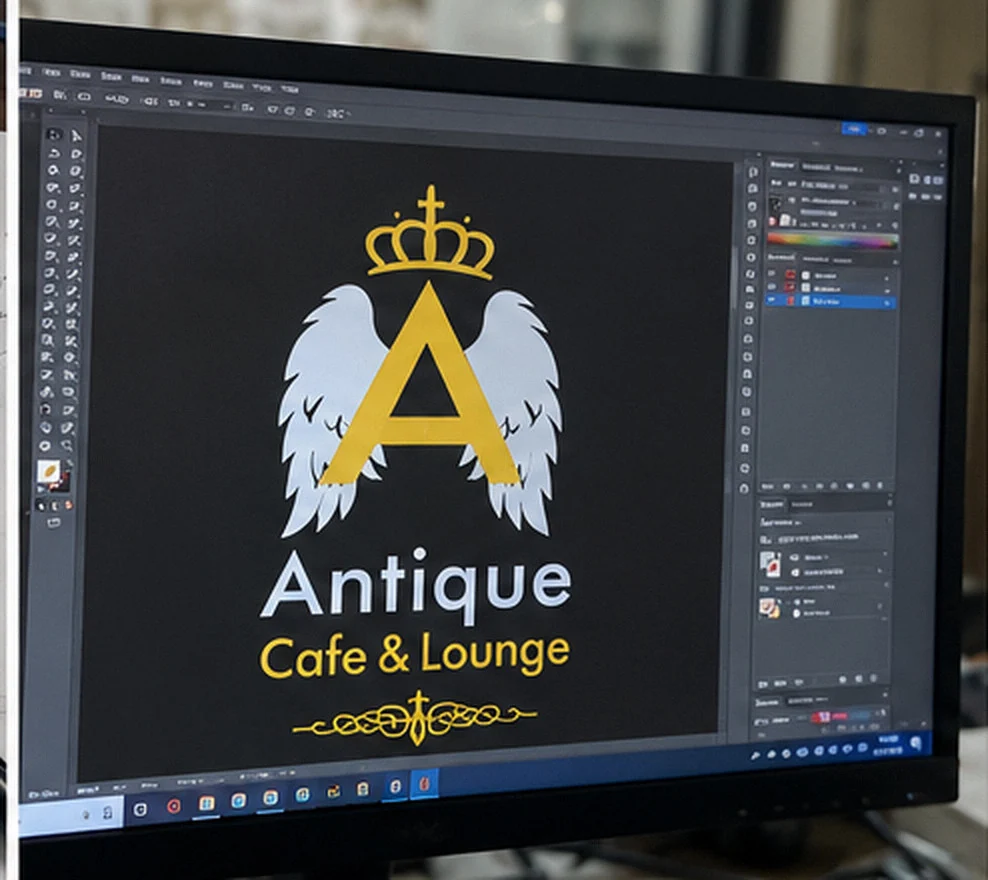
The supplied Antique Café design study presents sketch exploration and a selected digital direction. It illustrates the move from ideas to a consistent mark; these presentation visuals should be read as a design study.

Refine One Selected Direction
Review the name, proportions, spacing and level of detail together. Feedback such as “the name disappears at this size” gives a clearer next action than “make it premium”. Keep a record of the selected direction and each consolidated feedback round.
Agree whether a requested change is a refinement or a new direction. Additional concepts, a changed business name or new deliverables may need a revised scope.
| Review point | What the buyer checks | Output to agree |
|---|---|---|
| Direction | Does the idea fit the audience and offer? | Selected design direction |
| Refinement | Is the name readable and the layout balanced? | Approved mark and versions |
| Applications | Does it work in the agreed uses? | Checked application previews |
| Handover | Are the agreed files and usage notes present? | Versioned final file set |
Test the Logo Where It Will Be Used
Review small digital use and the actual print or signage layout you commissioned. A dark background may need a different logo version. A detailed emblem may need a simpler treatment for a small profile image.
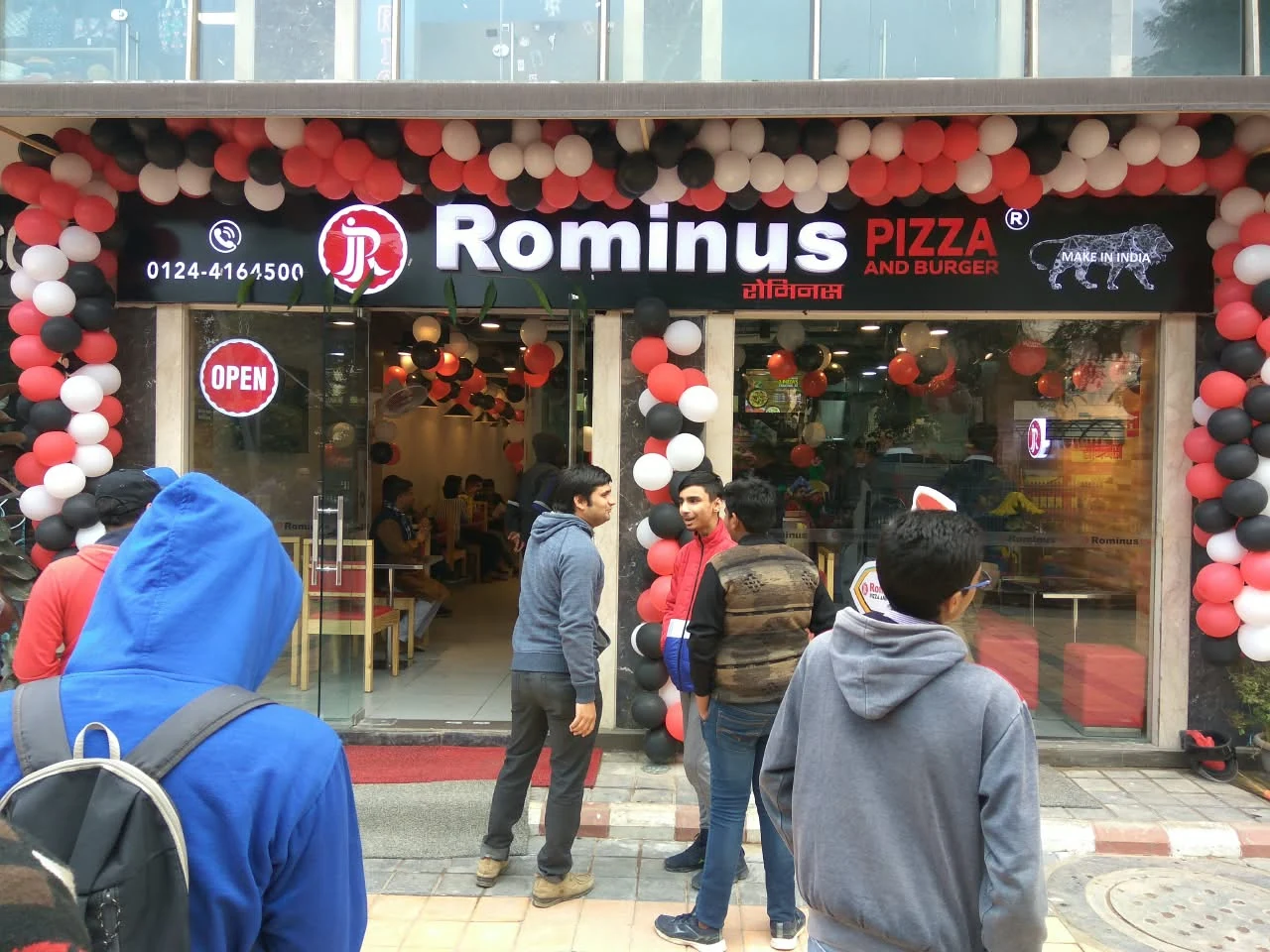
The Rominus opening-day photograph shows the wordmark and emblem together on the fascia. It is a useful application example: physical proportions, background and illumination affect how an identity is presented. Production dimensions and materials still need their own approval.
Approve the Final File Set and Handover Notes
Ask for an organised folder with clearly named approved versions. Confirm the vector and image exports in your agreement, colour references, typography guidance if included, and any usage or licence notes.
Keep one approved master set. Send the correct version to each supplier and record any production adaptation before replacing a master. If a new application is needed later, start from the original files rather than a screenshot.
Use the detailed logo-file handover checklist · Discuss the logo design scope for your business